9 Best eSIM for South Korea 2026: Fast SKT & KT Networks

Navigating Seoul without a rock-solid data connection is practically impossible. Google Maps has severe limitations in South Korea due to local security regulations, which means you cannot rely on it for accurate walking directions or transit routes.
Instead, you must run local apps like Naver Map, KakaoMap, and Kakao T. These platforms render 3D building views, real-time subway data, and live taxi tracking — all of which consume significantly more background data than standard travel apps.
The traditional solution was renting a Pocket WiFi device at Incheon Airport. Today, that means carrying an extra battery bank, managing another charging cable, and dealing with return queues before your flight home. An eSIM for South Korea bypasses the airport counter completely.
You install the profile before departure and connect directly to tier-one local networks like SK Telecom (SKT), KT Corporation, or LG U+ the moment you land. Here is a technical breakdown of the nine best options for 2026.
The Korean Network Landscape: SKT vs KT vs LG U+

When evaluating an eSIM for South Korea, the local network partner matters more than the brand selling it. South Korea is a hyper-connected 5G environment, but the infrastructure is split between three major players.
SK Telecom (SKT) holds the largest market share and provides the deepest penetration in rural areas, underground subway lines, and along the high-speed KTX rail routes. KT Corporation is renowned for generous bandwidth and extreme reliability in dense urban centres like Gangnam and Myeongdong.
LG U+ often focuses on innovative routing and bundled services, offering solid coverage that rarely drops in major cities. A premium travel eSIM will route you through at least one of these three tier-one networks.
For an eSIM for South Korea, prioritise plans that offer 3GB or more of daily high-speed data before throttling. Naver Map's “Street View” equivalent and real-time transit rendering will burn through a 1GB daily cap before mid-afternoon.
Top 9 Top eSIM for South Korea Plans Tested
| eSIM Provider | Korean Network Edge | Ideal Traveller |
|---|---|---|
| Saily | Superior raw 5G speed | Heavy Naver Map users |
| GigSky | Reliable SKT backbone | Corporate business fliers |
| MobiMatter | Best value on 20GB+ | Long-term Seoul expats |
| Airalo | Seamless LG U+ routing | Budget weekend tourists |
| Maya | Hotspot sharing allowed | Co-working space nomads |
| Amigo eSIM | Tethering on KTX trains | Multi-device workers |
| Lotso Travel | Zero-friction setup | First-time eSIM users |
| Instabridge | Pay-as-you-go model | Minimal data consumers |
| iRoamly | Ultra-short durations | 48-hour transit stays |
1. Saily
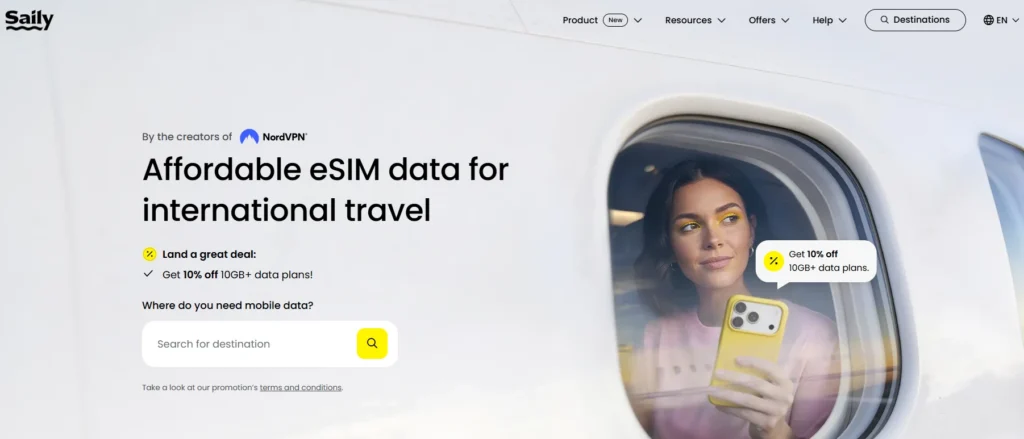
Saily delivers the highest raw speeds we tested across the Seoul metropolitan area. By routing through premium local partnerships, Saily ensures that data-heavy applications like KakaoTalk video calls and high-res Instagram uploads run without stuttering.
Their reusable profile architecture means you install the eSIM once; if you return to South Korea next year, you simply top up the existing profile via the iOS or Android app without scanning a new QR code.
2. GigSky
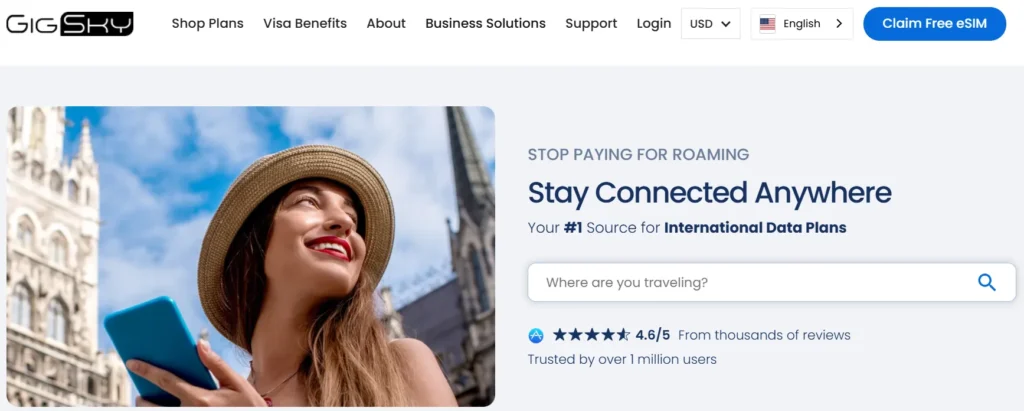
GigSky built its reputation on serving frequent business travellers, and its South Korea offering reflects that stability. Operating on reliable local network backbones, GigSky ensures consistent LTE and 5G connections whether you are in a boardroom in Yeouido or riding the SRT down to Busan.
Their pay-per-GB pricing structure makes more financial sense than daily passes for travellers spending two to three weeks in the country.
3. MobiMatter
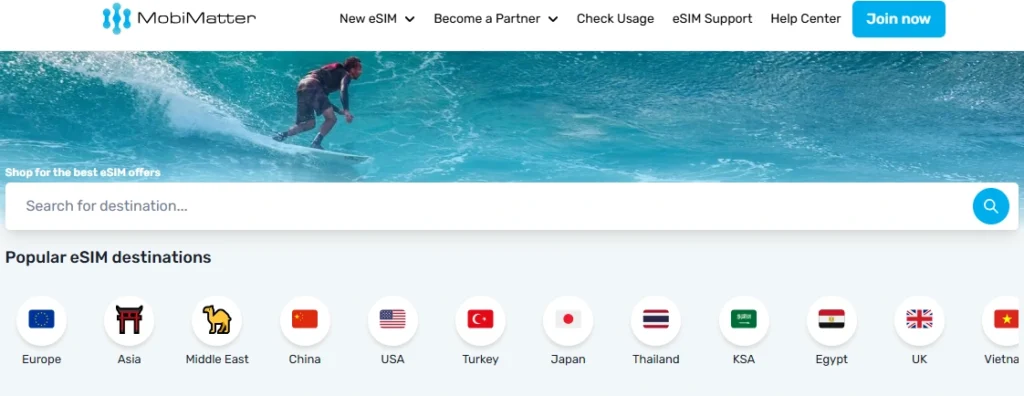
MobiMatter operates as a multi-carrier aggregator, allowing you to browse different eSIM for South Korea plans from various MVNOs before purchasing. This marketplace approach consistently surfaces the lowest per-GB rates for massive data bundles.
If you are staying in Seoul for a month and need 30GB or more, MobiMatter will likely undercut fixed-price competitors significantly.
4. Airalo
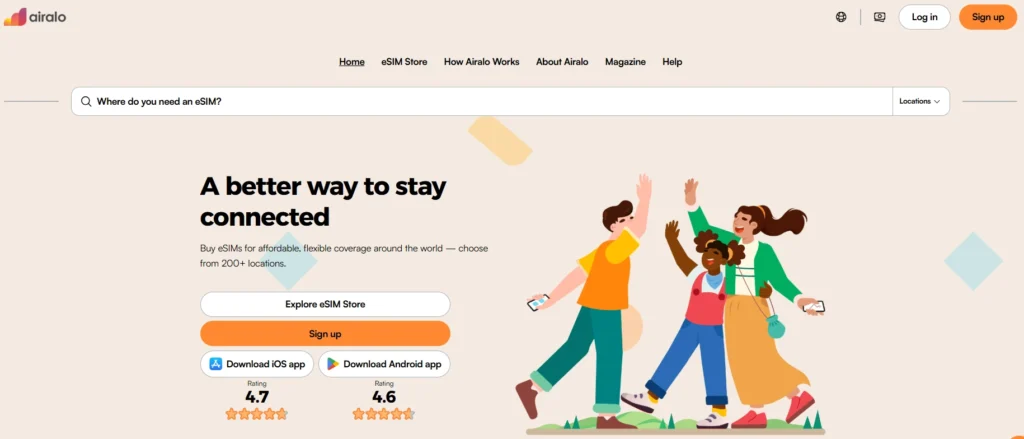
Airalo is the most recognised name in the travel data space, and their South Korea plan provides highly reliable, budget-friendly connectivity. Usually partnering with LG U+ or similar tier-one networks, Airalo offers packages starting from 1GB for short trips up to larger bundles for extended stays.
The installation process is polished, and the app manages multiple country profiles beautifully.
5. Maya
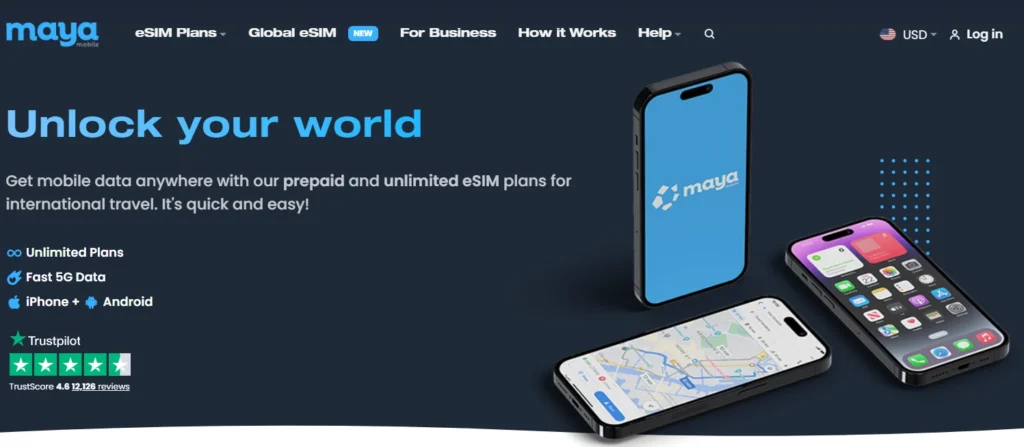
Maya positions its eSIM for South Korea plans around unrestrictive data sharing. If you need to connect a laptop in a Seoul cafe to submit work, Maya’s explicit support for hotspot tethering makes it a top contender.
They offer competitive unlimited data tiers (subject to standard fair use policies) that activate quickly via a QR code.
6. Amigo eSIM
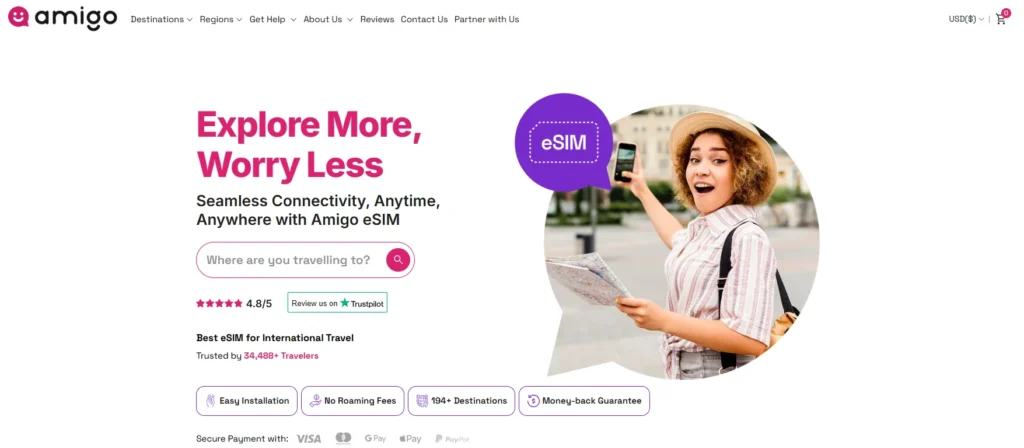
Amigo eSIM delivers robust coverage across South Korea with a strong emphasis on multi-device compatibility. Like Maya, Amigo includes hotspot tethering on every single plan tier.
They connect through premium local MVNOs, ensuring that high-speed rail journeys on the KTX maintain sufficient bandwidth for streaming or remote desktop work.
7. Lotso Travel
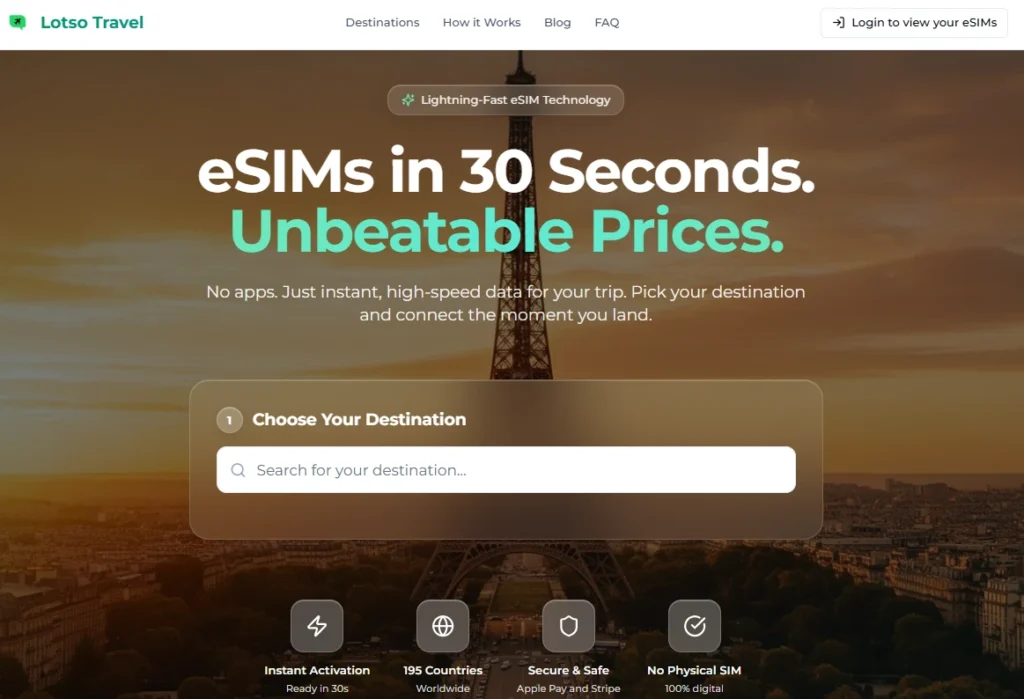
Lotso Travel focuses entirely on a frictionless user experience. For travellers intimidated by the idea of adjusting APN settings or managing secondary cellular lines, Lotso Travel automates the background configuration.
Their eSIM for South Korea connects to reliable 4G/5G networks and handles the technical handshake with zero user input required.
8. Instabridge
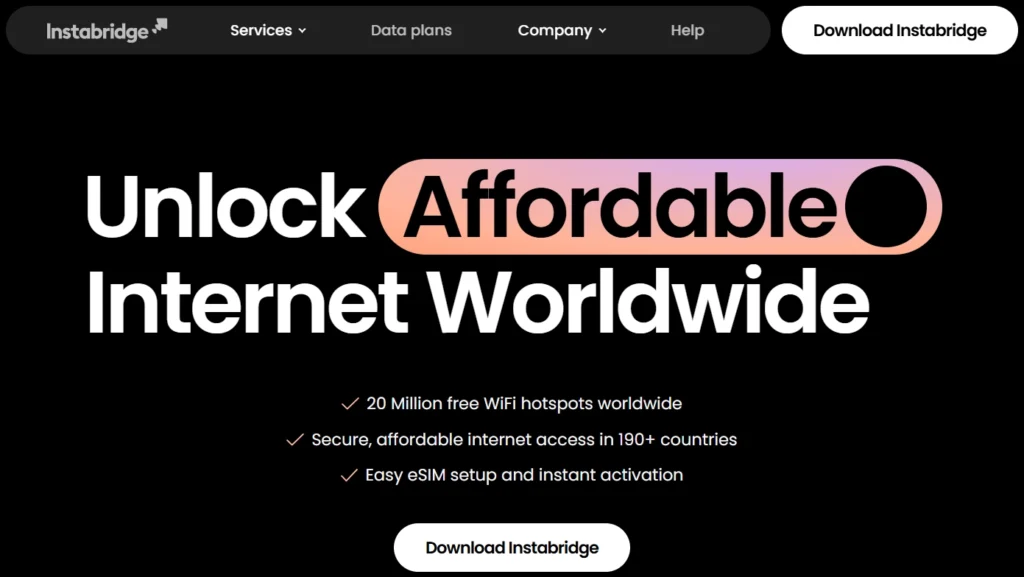
Instabridge takes a unique approach by offering a pay-as-you-go (PAYG) auto-renewal model. Instead of forcing you to guess how many gigabytes you will use in Busan, you install the profile and pay only for the exact data you consume.
This is paired with their global WiFi map, helping you offload heavy downloads to safe local networks.
9. iRoamly
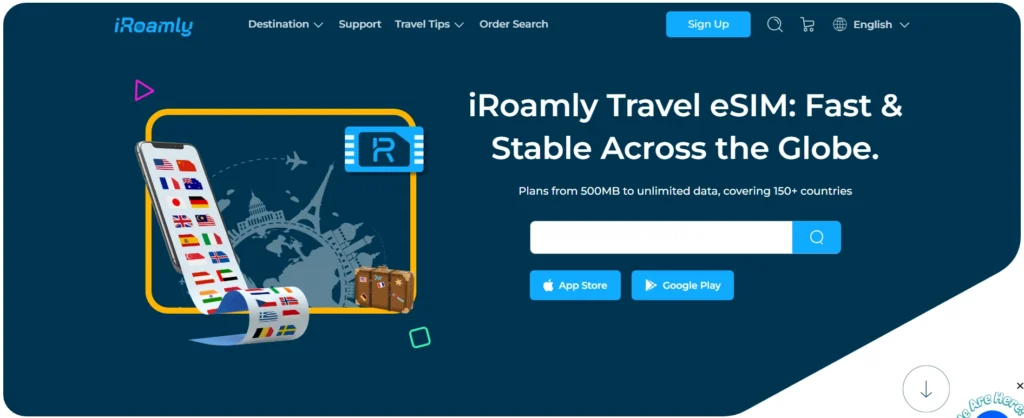
iRoamly caters to the micro-trip. If you have a 48-hour layover in Seoul before flying out of Incheon, buying a standard 7-day or 10-day eSIM for South Korea wastes money.
iRoamly offers daily increment packages, allowing you to buy exactly two or three days of connectivity with unlimited hotspot included on relevant tiers.
Technical Considerations for South Korean Connectivity

The Pocket WiFi vs eSIM Debate
Historically, groups travelling to Korea rented a “dosirak” (pocket WiFi egg) at the airport. While pocket WiFi allows multiple people to share one connection, it requires carrying a heavy device, keeping it charged, and staying within 10 metres of whoever holds it.
An eSIM for South Korea lives inside your phone. It requires no battery management, no airport queues, and no deposit. For solo travellers or couples who might split up to explore different areas of a market, individual eSIMs are far superior and often cheaper than a single WiFi rental.
Handling Voice Calls and SMS
Most travel profiles provide data only. You cannot make traditional phone calls or receive local Korean SMS texts. In Korea, some restaurant waitlists (using systems like CatchTable) require a local +82 phone number to text you when your table is ready.
If this is crucial to your itinerary, you will need to seek out a specialised Voice + Data eSIM (often requiring passport registration) or use a friend's local number. For 95% of tourists, data-only is sufficient, as you can use WhatsApp, FaceTime, or KakaoTalk for voice communication.
Navigating Fair Use Policies on “Unlimited” Plans
Be extremely cautious with plans labelled “Unlimited.” Korean networks impose strict Fair Use Policies (FUP). A typical unlimited eSIM for South Korea will provide 1GB to 3GB of high-speed 5G data per day. Once you hit that cap, your speed is throttled to 128kbps or 256kbps until midnight.
At 128kbps, Naver Map will struggle to load and KakaoTalk image transfers will fail. If you use your phone heavily, buy a large fixed-GB bundle (e.g., 20GB for 14 days) rather than a daily throttled plan.
South Korea Data Connectivity FAQ
What is the best eSIM for South Korea?
The best option depends on your specific data needs. Saily provides the fastest raw speeds for heavy app users in Seoul. GigSky offers exceptional stability on premium networks for business travellers. Mobimatter delivers the lowest per-GB cost for long-term visitors requiring 20GB or more.
Will my phone work with a Korean eSIM?
Your phone must be both carrier-unlocked and eSIM-compatible. Every iPhone from the XR onwards, most Samsung Galaxy S20 and newer models, and recent Google Pixels support the technology. You cannot install any third-party profile if your phone is locked to an AT&T, Verizon, or specific home carrier contract.
Does an eSIM work on the subway in Seoul?
Yes. South Korea's subway system is blanketed with carrier repeaters. If your provider routes through SKT, KT, or LG U+, you will maintain strong 4G or 5G connectivity even when deep underground on the Seoul Metro lines.
How do I install the profile before I fly?
Purchase your plan online a day before your trip. You will receive a QR code via email. Go to your phone's cellular settings, select “Add eSIM,” and scan the code. The profile will download and remain inactive until your phone connects to a Korean cell tower upon landing at Incheon or Gimpo.
Do I need to show my passport for a data eSIM?
No. Unlike physical SIM cards purchased in South Korea, which strictly require passport registration and physical verification due to local telecommunication laws, most travel data eSIMs do not require identity verification because they do not issue a local Korean phone number.

Final Thoughts
You cannot “wing it” with internet access in South Korea. The reliance on local apps for navigation and transit means your phone is your lifeline from the moment you leave the airport.
Choosing the right eSIM for South Korea eliminates the stress of arrival. Saily is the top recommendation for users who want blazing-fast speeds to run Naver Map without a hitch. GigSky is the most dependable choice for corporate users, while Amigo takes the win for travellers who need to tether laptops on the KTX.
Install your chosen profile before you head to the airport. When the plane touches down at Incheon, simply turn on your new data line, open KakaoMap, and walk straight past the WiFi rental queues.
How we test eSIMs
iPhone 15 Pro Max
iPhone 17 Pro Max
Samsung Galaxy S25 ultra
iPad Pro M4
32+ eSIM Providers Tested
150+ Speed Tests Verified
10+ Countries Covered
Why You Can Trust eSIMNinja
We buy every eSIM plan with our own money — no freebies, no sponsored reviews. What you read is what we genuinely experienced.
We keep receipts. Every eSIM is personally purchased.