10 Best eSIM for Medical Tourism 2026 | Hospital Ready Data

Landing in Bangkok or Istanbul for a scheduled procedure without reliable mobile data is a risk no patient should take. You need connectivity to access hospital portals, confirm appointments on WhatsApp, share medical scans with your home doctor, and navigate unfamiliar cities during recovery.
A roaming bill from your home carrier can easily hit $150 for one week of moderate use. The right eSIM for Medical Tourism eliminates that problem entirely.
I have tested and activated eSIM plans across every major medical tourism hub, from India and Thailand to Turkey and Mexico.
India's medical value travel market alone is projected to surpass $13 billion in 2026, and millions of patients now fly internationally for treatment each year.
This guide covers the 10 best eSIM for medical tourism options in 2026, selected for hospital city coverage, plan flexibility for extended stays, and reliable speeds when you need them most.
Why Cross Border Patients Need an eSIM for Medical Tourism in 2026
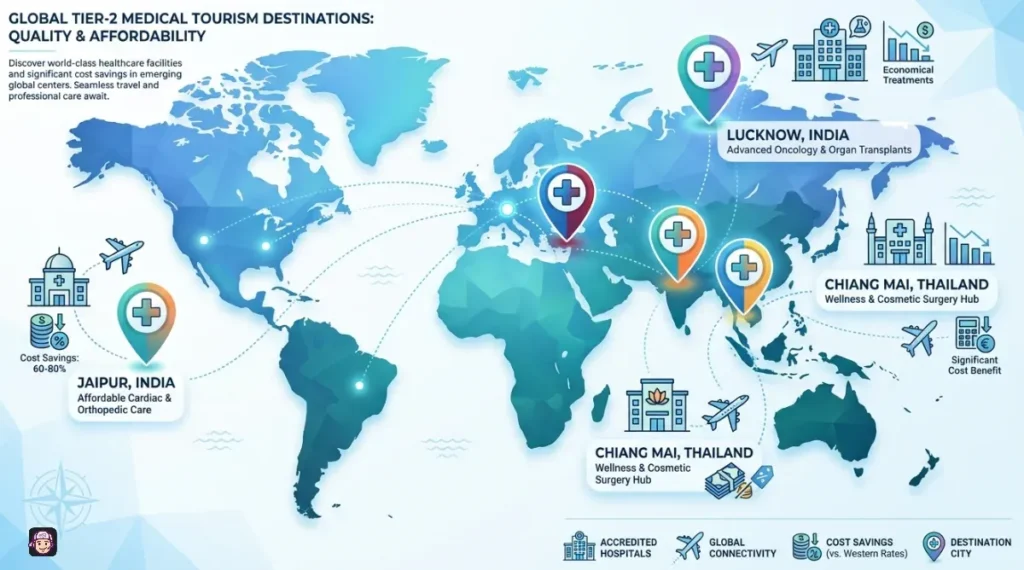
Medical tourism now extends well beyond capital cities. Tier-2 hubs like Jaipur, Chiang Mai, Antalya, and Lucknow are attracting international patients with shorter wait times and competitive pricing. An eSIM for medical tourism is not a luxury. It is a clinical necessity.
Patients need data to access hospital apps, download reports, join telemedicine follow-ups, communicate with interpreters, and contact emergency services.
Many treatment facilities now use digital check-in systems and WhatsApp-based appointment confirmations. Without mobile data, you are disconnected from your own care.
The best plan type for medical tourists is a country-specific or regional data plan with at least 5GB and 15 to 30 days validity. Most medical trips involve pre-op consultations, the procedure, and a recovery window. Short 7-day plans often fall short.
For eSIM for medical tourism, country-specific plans typically outperform global plans because they route through stronger local carriers like Jio in India, AIS in Thailand, or Turkcell in Turkey. Prioritise providers offering hotspot sharing so your companion stays connected too.
10 Best eSIM for Medical Tourism in 2026 Reviewed
| eSIM for Medical Tourism | Primary Strength | Ideal User |
|---|---|---|
| Saily | Built-in security tools | Privacy-focused patients |
| Airalo | Widest destination range | Multi-country treatment seekers |
| MobiMatter | Lowest per-GB rates | Budget medical travellers |
| Maya | Gentle speed throttling | Heavy telemedicine users |
| Billion Connect | Fast QR activation | First-time eSIM patients |
| iRoamly | AI-powered plan suggestions | Extended recovery stays |
| Amigo eSIM | Strong regional coverage | Asia and Europe patients |
| GigSky | Free 100MB trial plan | Cautious first-time buyers |
| Lotso Travel | Flexible mid-trip top-ups | Long-term treatment plans |
| Instabridge | Offline WiFi map finder | Patients navigating new cities |
1. Saily
Saily covers over 200 destinations with plans starting from $1.89, making it one of the most accessible eSIM for medical tourism options available.
Built by the team behind NordVPN, Saily includes built-in ad blocking, web protection, and virtual location features that add a layer of security when accessing hospital WiFi networks.
India plans start at $3.99, and unlimited options are available for Thailand, Turkey, and other major treatment destinations. Hotspot sharing is unlimited on all plans, so a travel companion can connect without needing a separate eSIM.
👉Get Saily for Medical Tourism
2. Airalo
Airalo serves over 200 countries with plans starting from $4.50 for 1GB. For medical tourists visiting India, the Asialink unlimited plan offers 3GB per day with throttled data after that, starting around $11.50 for 3 days.
What makes Airalo a strong eSIM for medical tourism is the ability to pre-install your plan before departure and activate upon landing.
The app supports multiple eSIM profiles, so patients visiting two countries for treatment and recovery can manage both from one interface.
3. MobiMatter
MobiMatter operates as an eSIM marketplace, aggregating plans from multiple carriers to deliver some of the lowest per-GB rates available.
India plans start at $1.0 per GB, making it one of the most affordable eSIM for medical tourism picks for patients on a budget.
The APAC regional plan covers India, Indonesia, Japan, and 18 other countries at $13.99 for 7GB over 30 days. Ideal for patients needing extended validity without premium prices.
👉Get MobiMatter for Medical Tourism
4. Maya
Maya provides transparent pricing with gentler throttling than most competitors, making it a reliable eSIM for medical tourism during extended recovery periods.
The unlimited plan offers 3GB of high-speed data daily, throttling to 10 Mbps after that, then dropping to 1 Mbps only with very heavy continued use.
That 10 Mbps throttled speed is still enough for video calls with your home doctor. Speed limits reset every 24 hours.
5. Billion Connect
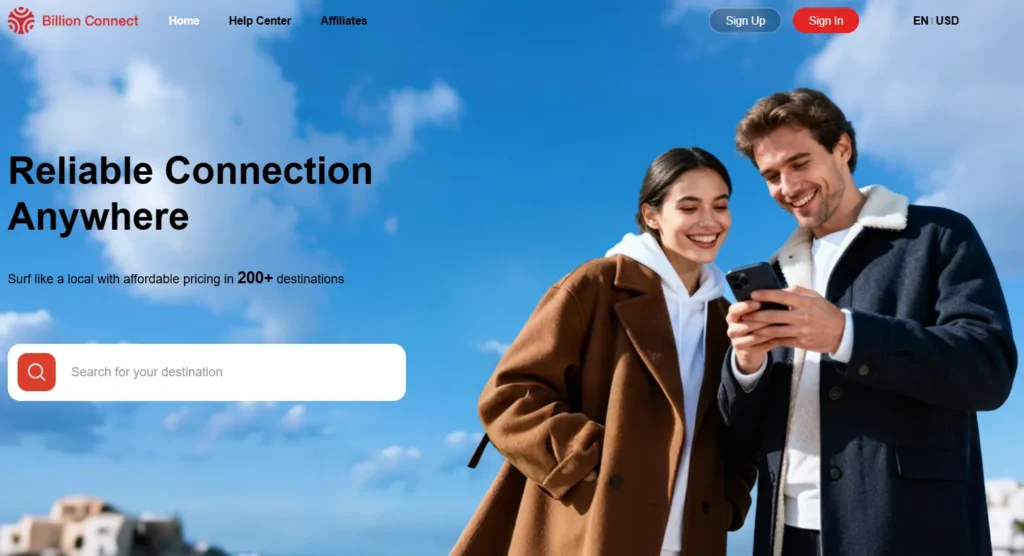
Billion Connect covers over 200 countries with plans starting from $0.70, one of the cheapest entry points for an eSIM for medical tourism.
The BC eSIM app handles activation through a QR code in under two minutes. Plans range from 300MB to unlimited data.
The 24/7 customer support via chat and email matters when you are in a foreign hospital at odd hours.
6. iRoamly
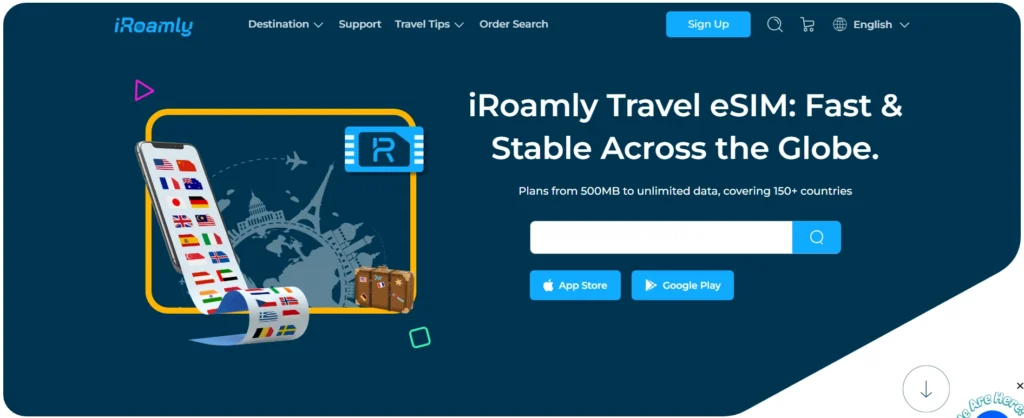
iRoamly stands apart among eSIM for medical tourism providers with its AI-powered data optimisation. The system learns your usage patterns and suggests the best plan for your destination.
Coverage spans 150+ countries with plans from 500MB to truly unlimited data with no speed caps. Dual SIM support keeps your home number active for two-factor authentication and emergency calls.
7. Amigo eSIM
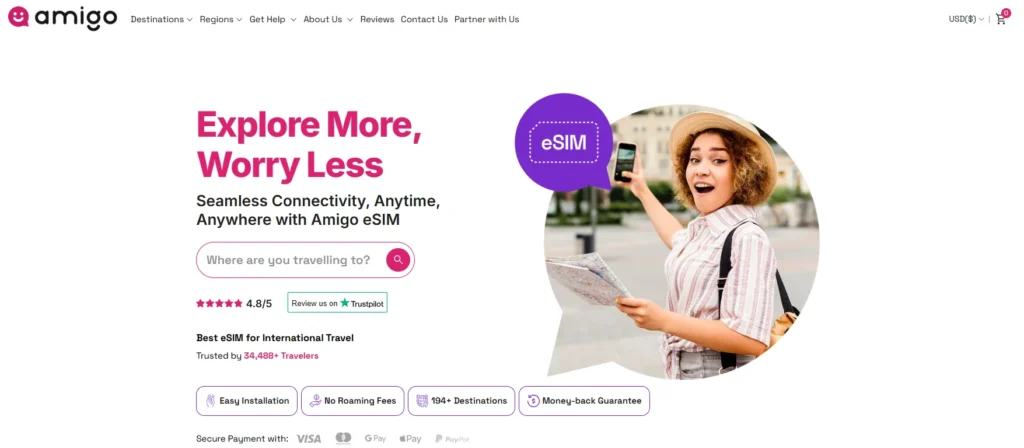
Amigo delivers solid regional plans across Asia and Europe, the two biggest medical tourism corridors. As an eSIM for medical tourism, Amigo performs reliably in Thailand, India, Turkey, and South Korea with clear data allowances and no hidden fair-use policies.
Installation takes minutes through a QR code, and tethering is supported on most plans.
👉Get Amigo eSIM for Medical Tourism
8. GigSky
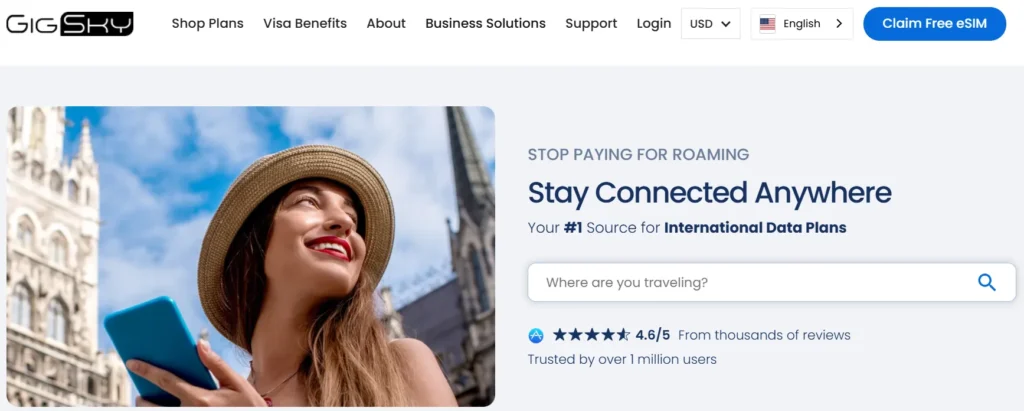
GigSky covers 190+ countries and offers a free 100MB trial plan, making it the safest first step for anyone nervous about trying an eSIM for medical tourism.
The trial lets you verify coverage at your destination before committing. Paid plans range from $4.99 for 1GB to unlimited options with a 2.5GB daily high-speed cap. One eSIM works across borders without switching profiles.
9. Lotso Travel
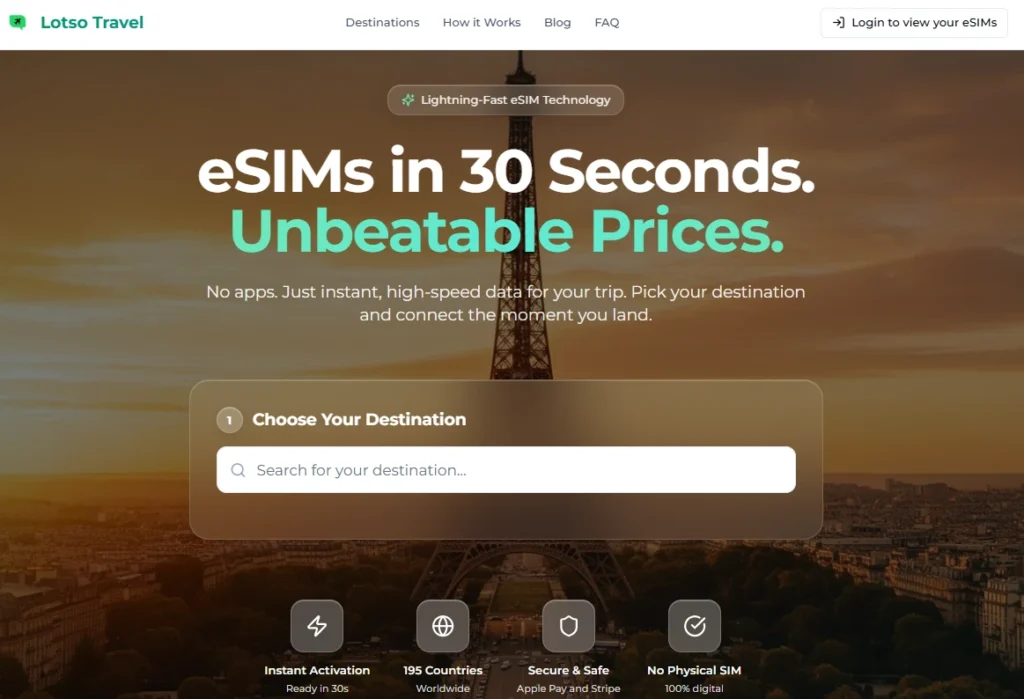
Lotso Travel offers flexible top-up capabilities that make it a practical eSIM for medical tourism when treatment timelines shift unexpectedly.
Patients facing extended recovery or additional consultations can add data without purchasing a new plan entirely. Coverage includes major medical tourism destinations at competitive pricing.
10. Instabridge
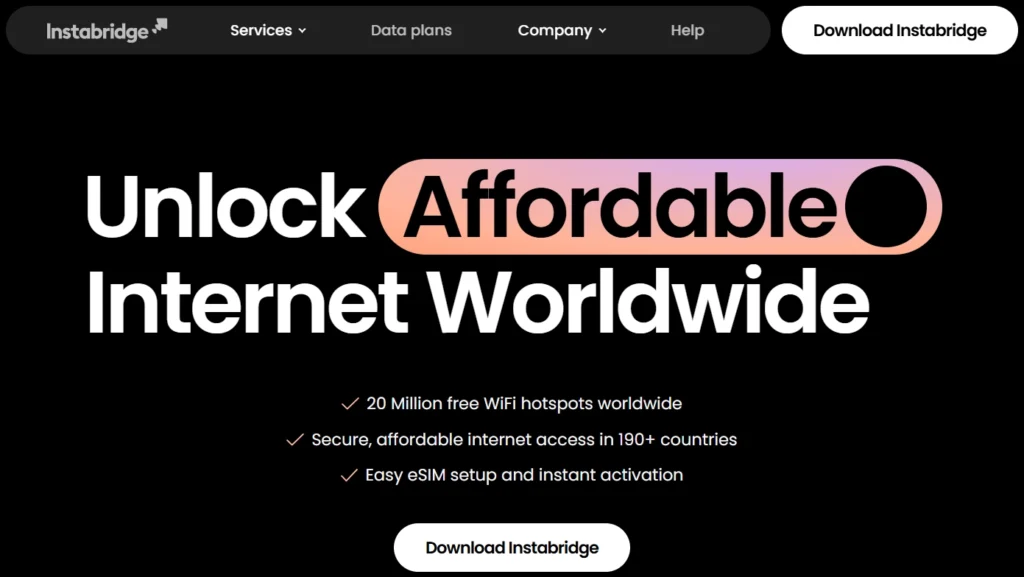
Instabridge combines eSIM data with an offline WiFi map and hotspot finder, adding genuine value as an eSIM for medical tourism.
Patients can locate free WiFi networks near hospitals, hotels, and recovery centres to supplement their data plan.
This dual approach keeps costs down during longer medical stays.
How Treatment Duration Shapes Your eSIM for Medical Tourism Choice
1. Coverage in Medical Corridors
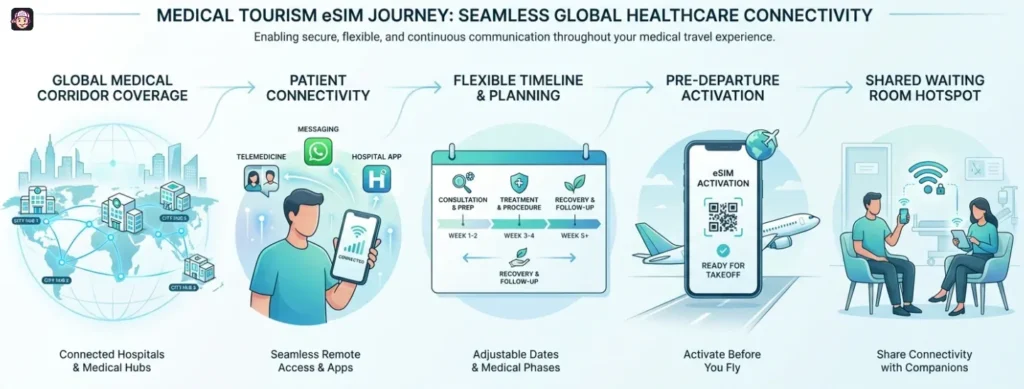
Top treatment hubs like Bangkok, Istanbul, Mumbai, and Seoul have excellent LTE and 5G signals from most providers. The real test comes in tier-2 cities like Jaipur, Chiang Mai, or Antalya where many hospitals now operate.
Choose providers partnering with dominant local carriers. In India, that means Jio or Airtel. In Thailand, AIS or True Move. In Turkey, Turkcell.
2. Data Needs for Patient Connectivity
Medical tourists use more data than standard holidaymakers.
Video consultations, uploading scans, downloading reports, and constant messaging add up fast. Plan for at least 5GB for a one-week trip and 10GB or more for extended stays.
Unlimited plans from Maya, iRoamly, or GigSky work best for heavy telemedicine needs.
3. Plan Validity and Shifting Timelines
Medical procedures rarely follow exact schedules. Choose plans with 30-day validity or easy top-up options. MobiMatter offers plans valid up to 365 days. Lotso Travel allows mid-trip extensions. Avoid 7-day plans unless your treatment is genuinely brief.
4. Activation Before Departure
Install your eSIM for medical tourism before boarding. Most providers support pre-installation. Activate once you land to ensure data from the moment you clear immigration.
5. Hotspot Sharing for Companions
Medical tourists rarely travel alone. Saily offers unlimited hotspot sharing. Confirm tethering support before purchase so your caretaker stays connected without a separate plan.
Frequently Asked Questions About eSIM for Medical Tourism
How do I install an eSIM for medical tourism?
Purchase a plan from your chosen provider. Scan the QR code in your phone settings. The profile downloads in under three minutes. Enable it and turn on data roaming. Most providers support pre-installation so you can set everything up before your flight.
Which eSIM for medical tourism has the best hospital city coverage?
Saily and Airalo offer the widest coverage across medical tourism hubs including Bangkok, Istanbul, Mumbai, Seoul, and Mexico City. Both partner with strong local carriers and support tier-2 cities where many treatment centres now operate.
How much does an eSIM for medical tourism cost?
Plans range from $0.70 for basic data on BillionConnect to $50 or more for unlimited monthly plans on Gigsky or Maya. Most medical tourists spend between $10 and $25 for a 15 to 30 day plan with 5 to 10GB of data.
Can I keep my home number while using an eSIM for medical tourism?
Yes. Modern smartphones support dual SIM functionality. Your physical SIM keeps your home number active for calls and two-factor authentication. The eSIM handles all data. This is essential for patients who need verification codes from banks or insurance providers.
Do major hospitals have reliable cellular coverage for eSIM for medical tourism users?
Major hospitals in Bangkok, Istanbul, Mumbai, and Seoul provide strong 4G and 5G signals. Some offer guest WiFi, but it is often slow or restricted. A dedicated eSIM for medical tourism ensures you are not dependent on hospital networks for video calls or record transfers.
Are eSIMs legal in medical tourism destinations?
Yes. eSIMs are fully legal in all major medical tourism countries including India, Thailand, Turkey, South Korea, Mexico, and Spain. Your phone must be carrier-unlocked. Check with your home carrier if unsure.

Final Thoughts
For most medical tourists, Saily and Airalo cover the widest range of treatment destinations with reliable speeds and easy activation.
Budget travellers should look at Mobimatter for the lowest per-GB rates, while patients needing heavy data for telemedicine benefit from Maya or IRoamly unlimited plans. Gigsky offers the safest entry with its free 100MB trial.
Whichever you choose, install your eSIM for medical tourism before departure. That small step ensures connectivity from the moment you land, which is exactly when you need it most.
How we test eSIMs
iPhone 15 Pro Max
iPhone 17 Pro Max
Samsung Galaxy S25 ultra
iPad Pro M4
32+ eSIM Providers Tested
150+ Speed Tests Verified
10+ Countries Covered
Why You Can Trust eSIMNinja
We buy every eSIM plan with our own money — no freebies, no sponsored reviews. What you read is what we genuinely experienced.
We keep receipts. Every eSIM is personally purchased.