8 Best Nomad Alternatives 2026 For Remote Work Travel

Digital nomads rely on solid connectivity to keep remote work viable. The Nomad application built a strong reputation for regional travel data initially. But costs add up quickly when you need heavy data volumes for video calls and server access every single day.
If your current cellular plan restricts your hotspot tethering allowance or charges premium rates for extended stays, you need a different strategy. I have tested dozens of profiles across coworking spaces in Bali and cafes in Lisbon to find better options.
This guide breaks down the eight best Nomad alternatives available right now. These providers offer cheaper top up flexibility and better multiple country roaming for location independent professionals.
What Makes a Good Nomad Alternative?
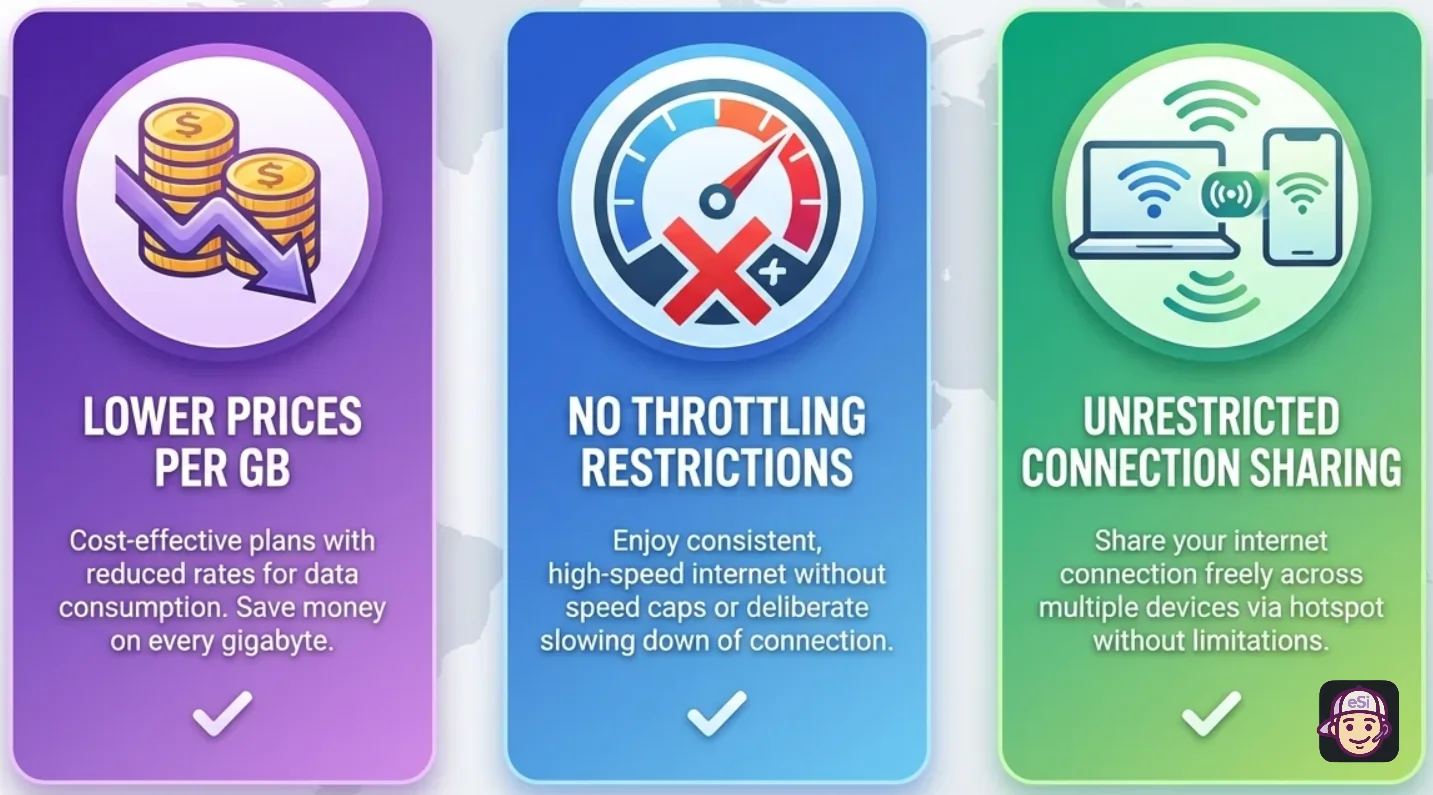
Switching to a new travel data provider usually comes down to three factors. You want lower prices per gigabyte. You want fewer fair use policy throttling restrictions. You want to share your connection to your laptop without blocked ports. The original Nomad app works fine for a brief holiday. Remote work connectivity demands more robust features entirely.
Modern remote workers need profiles that bridge multiple regions seamlessly. You need a service that allows you to buy data once and keep your laptop connected across several borders.
For Nomad alternatives, rolling data packages typically outperform single destination profiles because they adapt to unexpected flight changes. Prioritise providers offering clear hotspot tethering rules and local MVNO carrier switching.
8 Best Nomad Alternatives 2026 Evaluated
| eSIM Provider | Remote Work Edge | Ideal Traveller |
|---|---|---|
| Maya | True unlimited data | Heavy laptop users |
| MobiMatter | Aggregated cheap rates | Budget slow travellers |
| Airalo | Massive global reach | Constant border crossers |
| GigSky | Offshore network access | Cruise ship workers |
| Amigo eSIM | Latin America value | Expat hub residents |
| Saily | Simplified connection | One month tourists |
| Instabridge | WiFi map integration | Frugal backpackers |
| Billion Connect | Uncapped network speeds | Tech professionals |
1. Maya
Maya delivers the exact feature remote workers need most. They provide completely unlimited data profiles with hotspot sharing included automatically.
The Nomad app limits many of its plans to strict data caps. Maya lets you join endless Zoom meetings without watching a data gauge deplete. You do not even need to download an application to install the profile. You buy the package online and scan the code directly.
Their coverage includes all major remote work hubs globally. Support operates around the clock if your routing fails mid shift.
Strengths
Drawbacks
2. MobiMatter
Mobimatter operates as a massive aggregation marketplace rather than a single carrier. You browse their catalogue to find the absolute cheapest rate for your specific destination.
Nomad sets its own prices across regions. Mobimatter forces dozens of network providers to compete for your business directly. You can find packages valid for a full calendar year. This solves a major headache for slow travellers who stay in one city for months.
The interface labels all the crucial network details clearly before you spend any money.
Strengths
Drawbacks
3. Airalo
Airalo remains the benchmark for multiple country roaming stability. Their Discover profile spans over a hundred and thirty countries seamlessly.
Nomad requires you to juggle different regional profiles frequently. Airalo lets you install one profile and keep it active across continents. The application features a brilliant top up system.
You receive an alert when your data drops low and you add more instantly. The network routing keeps latency manageable for remote server access.
Strengths
Drawbacks
4. GigSky
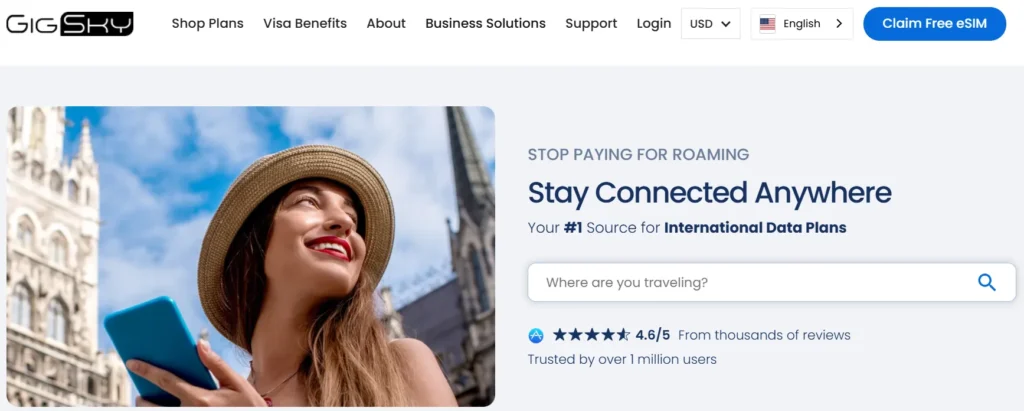
GigSky captures a very specific slice of the remote work market. They own their network core and partner directly with maritime satellite providers.
Nomad loses signal completely when you leave the coast. GigSky keeps you connected on cruise ships and offshore transit routes. They also offer a free tier for new users to test the connection quality.
The regional packages include daily reset limits to prevent you from burning your entire allowance accidentally.
Strengths
Drawbacks
5. Amigo eSIM
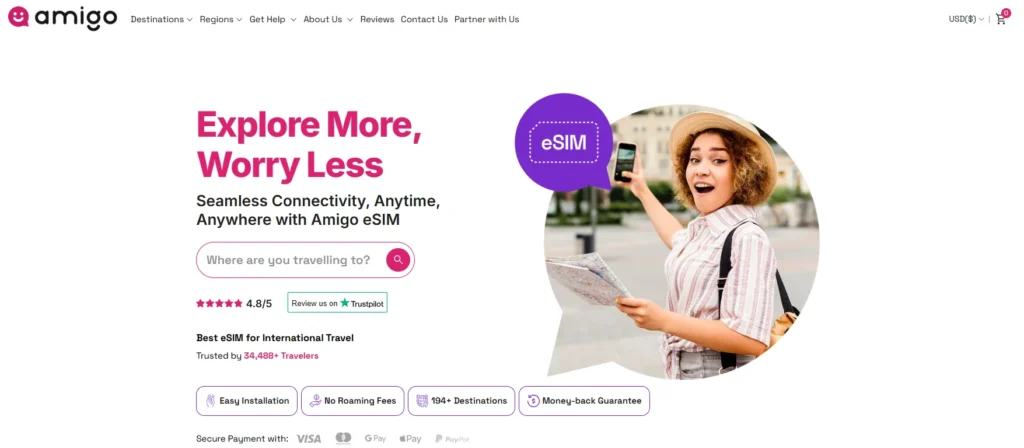
Amigo delivers incredible value for remote workers focused on Latin America and North America. Nomad can sometimes struggle with pricing across the Americas.
Amigo partners with dominant local carriers to provide strong signals in secondary cities. You install the profile without needing another application clogging your phone storage.
Hotspot sharing works perfectly out of the box. I used Amigo exclusively across Mexico and never dropped a client call.
Strengths
Drawbacks
6. Saily
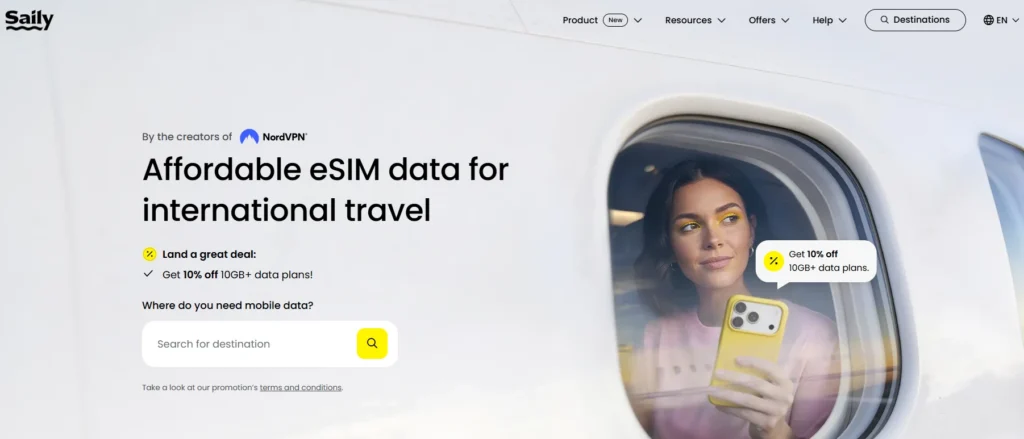
Nord Security developed Saily to make cellular data as secure and simple as possible. Nomad has a cluttered interface with confusing regional overlaps.
Saily strips the process down to basics. You select a country and install the profile in three taps. The network partners deliver fast speeds suitable for uploading large files.
Saily fits perfectly for remote workers who stay in one location for exactly thirty days and want zero friction.
Strengths
Drawbacks
7. Instabridge
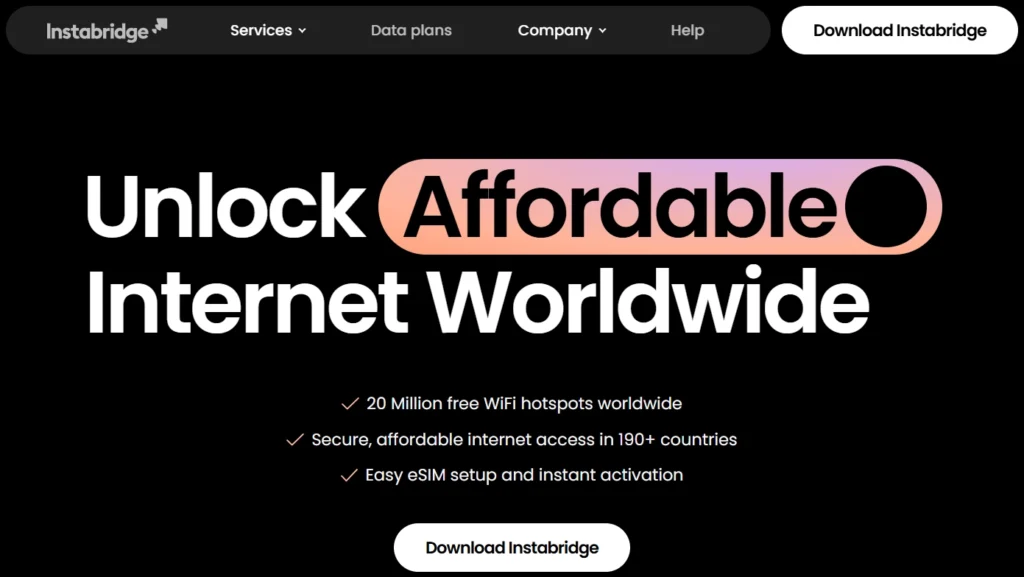
Instabridge takes a completely different approach to travel connectivity. They started as a massive crowdsourced map of free WiFi passwords globally.
They recently added cellular profiles directly into the same application. You can save your paid data by locating a verified free network nearby. Nomad relies entirely on paid cellular access.
Instabridge helps frugal nomads stretch a small data package across a full month.
Strengths
Drawbacks
8. Billion Connect

BillionConnect focuses entirely on raw network capability. They negotiate access to premium 5G networks in massive global markets.
Nomad occasionally drops you onto slower legacy networks to save wholesale costs. BillionConnect prioritises bandwidth for professionals who need to push video content or access remote desktops.
The customer service team responds incredibly fast when technical issues arise.
Strengths
Drawbacks
How to Choose a Nomad Replacement
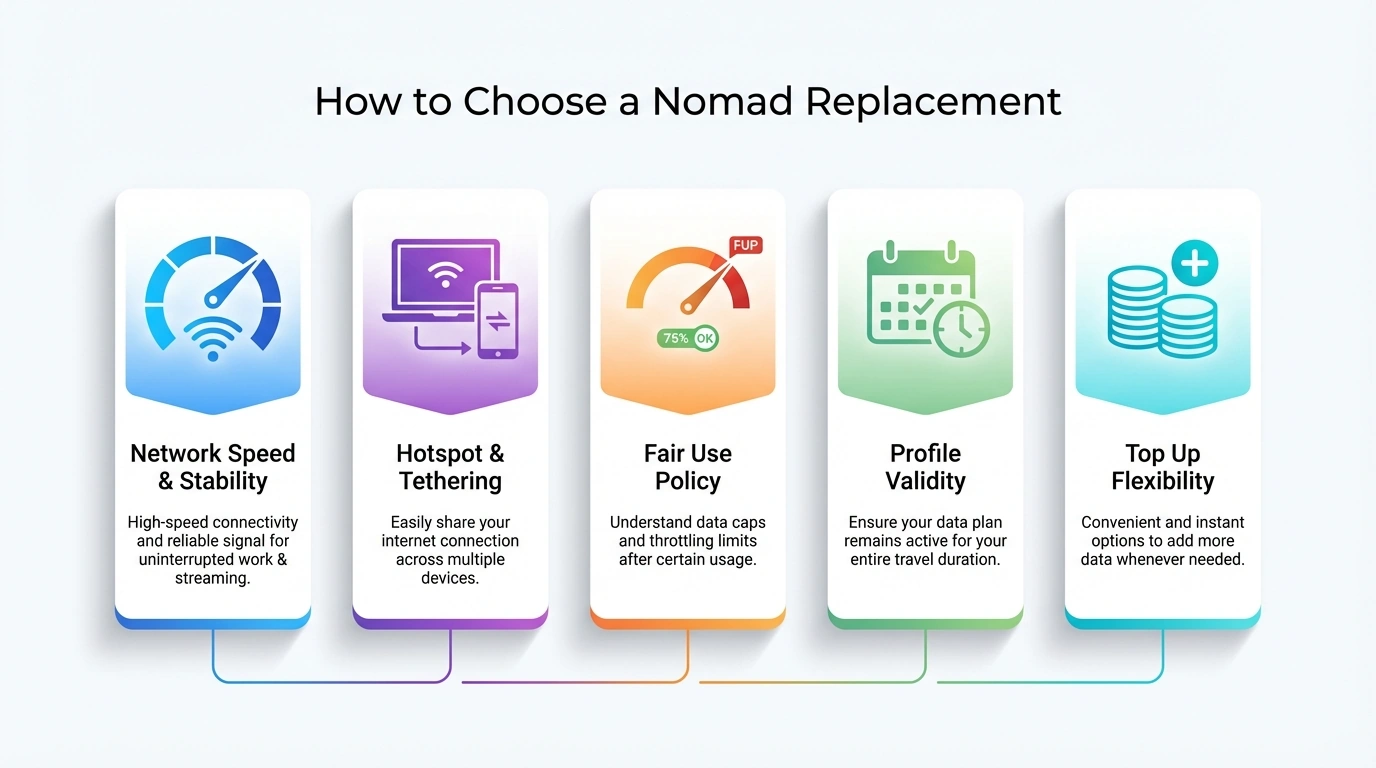
1. Network Speed and Stability
Remote work demands low latency. Dropped Zoom calls ruin professional credibility completely. Look for providers that explicitly name their local carrier partners rather than vaguely promising coverage.
2. Hotspot and Tethering Rules
Your laptop needs internet access constantly. Some cheap profiles block tethering entirely. Always verify that your chosen provider allows unrestricted connection sharing before you buy.
3. Fair Use Policy Limits
Unlimited rarely means truly unlimited. Carriers throttle speeds after you consume a certain daily amount. Pick alternatives with transparent daily limits so you can plan your heavy downloads.
4. Profile Validity Windows
Digital nomads travel slowly. Buying a new profile every week wastes time and money. Seek out services offering extended duration packages that match your actual visa limits.
5. Top Up Flexibility
Running out of data mid meeting is a disaster. You need an application that warns you beforehand. The best options let you add gigabytes instantly without losing signal.
Frequently Asked Questions About Nomad Alternatives
What are Nomad alternatives?
Nomad alternatives are travel connectivity services offering better prices or features for remote workers. They provide cellular profiles you download directly to your phone. These services often feature higher data limits and better multiple country roaming.
How do I install a Nomad alternative?
You purchase a package online and receive a digital code. You scan this code with your phone camera directly. The device downloads the network profile automatically. You activate it in your settings menu when you land.
Which Nomad alternative has the best coverage?
Airalo and Billion Connect offer the most reliable global reach. They partner with premium networks across two hundred countries. GigSky provides the best coverage for maritime routes and cruise ships.
How much does a Nomad alternative cost?
Prices vary based on data volume and region. Small backup packages cost around three dollars. Genuinely unlimited global data plans can cost over fifty dollars a month.
Are Nomad alternatives legal to use?
Yes. They are completely legal globally. Your phone simply connects to local network towers just like a resident. Your device must be completely unlocked from your home carrier beforehand.
Can I keep my home number while working abroad?
Yes. Your device manages two active profiles simultaneously. Your home profile handles incoming text messages for bank verifications. Your travel profile handles all heavy internet traffic securely.
Can I use a free eSIM for remote work?
Free services exist but they are risky for professional work. Providers like Instabridge help you locate free wireless internet safely. You should always maintain a paid cellular backup for vital remote meetings.

Final Thoughts
Finding the right travel connectivity changes how you work on the road entirely. The original Nomad app helped popularise digital profiles but the market has evolved significantly.
Maya stands out as the strongest choice for professionals who need completely unmetered data. Mobimatter offers unbeatable value for slow travellers settling into a single city for months. Airalo remains incredibly reliable for rapid movement across different continents.
Evaluate exactly how much data your laptop requires each day before purchasing. A solid connection ensures your remote career stays completely uninterrupted.
How we test eSIMs
iPhone 15 Pro Max
iPhone 17 Pro Max
Samsung Galaxy S25 ultra
iPad Pro M4
32+ eSIM Providers Tested
150+ Speed Tests Verified
10+ Countries Covered
Why You Can Trust eSIMNinja
We buy every eSIM plan with our own money — no freebies, no sponsored reviews. What you read is what we genuinely experienced.
We keep receipts. Every eSIM is personally purchased.